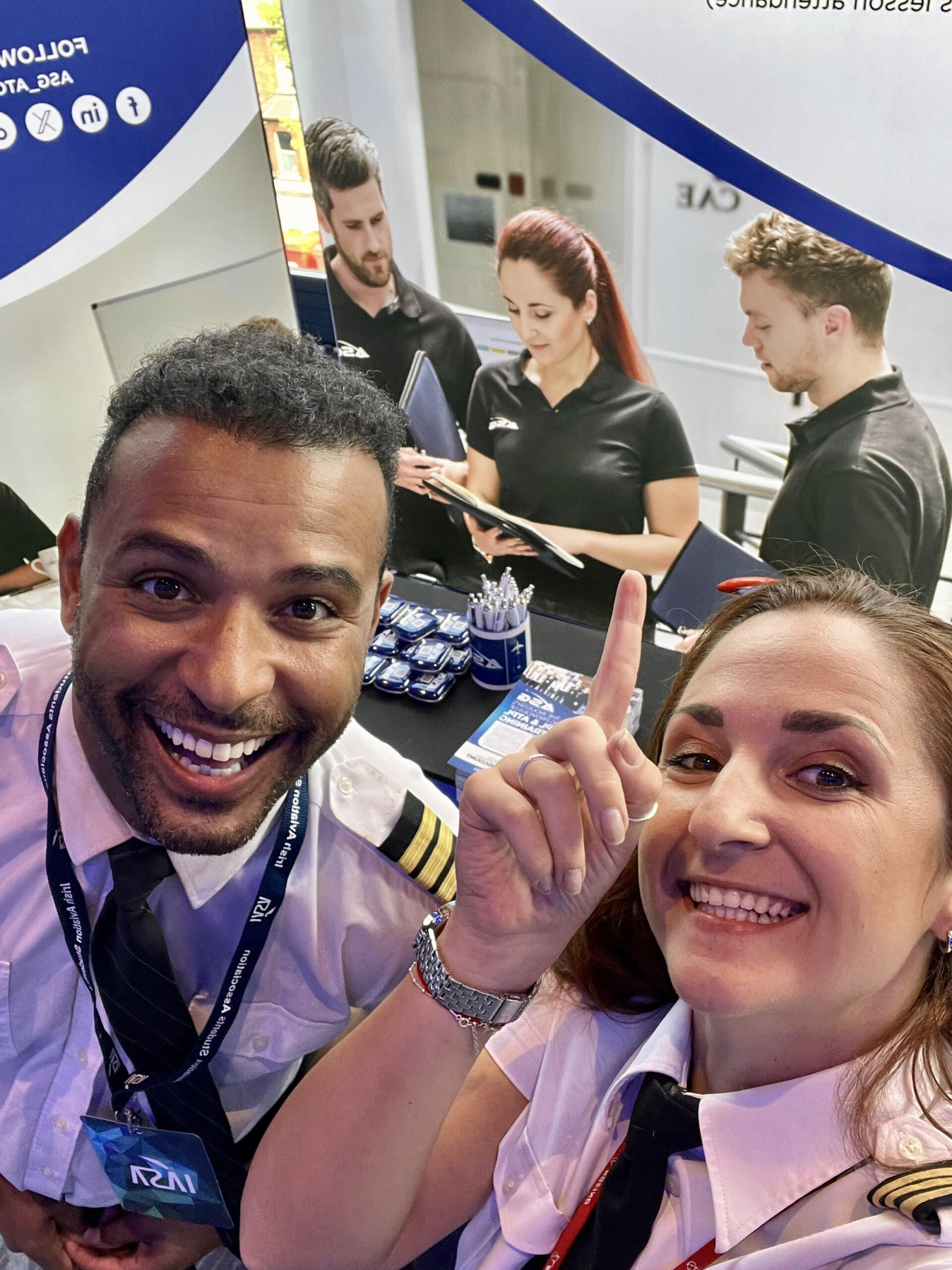


By Diarmuid O’Riordan
Operational EASA Airline Pilot & TRI, ATCO, and Founder of ASG (EASA approved training organisation specialising in ATPL theory).
There is a huge amount of misinformation online about converting an ICAO or an FAA licence to an EASA licence.
Some say it’s “just paperwork.”
Others say you’ll get “credit for experience.”
Many underestimate the theory element entirely.
The reality?
EASA licence conversion is structured, mandatory, and non-negotiable in key areas — regardless of your hours.
Here are the 10 most important things every ICAO or FAA pilot should understand before starting the conversion process.
1. You Must Hold a Valid ICAO CPL or ATPL
To begin the process, you must hold a valid and current CPL or ATPL issued by an ICAO member state (e.g. FAA, SACAA, GCAA, QCAA etc.). Without this, conversion is not possible.
2. Start With an EASA Class 1 Medical
Although not technically mandatory until licence issue, it is highly advisable to complete an EASA Class 1 Medical before spending significant money
Important:
-
The authority that issues your medical will usually become the authority that issues your licence.
-
Changing authorities later adds cost and complexity.
Do not leave this to the end.
3. The First Major Step Is the 13 EASA ATPL Theory Exams
There are no exemptions from the EASA ATPL theoretical knowledge exams
Even if you:
-
Have 10,000+ hours
-
Are currently airline-employed
-
Hold an FAA ATP
You must complete the 13 EASA ATPL exams.
This is where many pilots underestimate the process.
4. ATPL Theory Is the Most Time-Consuming Element
For most converting pilots, the theory phase is the biggest challenge
You are returning to:
-
Meteorology
-
Performance
-
General Navigation
-
Air Law (EASA-specific)
-
Human Performance
-
Aircraft General Knowledge
The material is extensive and structured differently to FAA and other ICAO syllabi.
This is why the first strategic decision is choosing the right ATO for ATPL theory.
5. Do Not Attempt to Self-Prepare Without Structured ATO Support
EASA requires ATO sign-off before you may sit the exams.
Choosing a low-engagement “tick-box” ATO can:
-
Slow your progress
-
Create exam gaps
-
Increase overall cost
-
Lead to repeated sittings
Professional pilots deserve professional preparation.
6. Use a Modern Learning Ecosystem — Not Just Books
High-quality ATPL theory training today should include:
-
Structured online learning platforms
-
Recorded masterclasses
-
Progress testing
-
Mock ATO exams
-
Area 100 KSA assessments
-
Remote access flexibility
As outlined in our conversion roadmap. ASG has invested heavily in an integrated remote learning centre designed specifically for conversion candidates.
The goal is efficiency — not just compliance.
7. Understand the Exam Time Limits
EASA requires:
-
Completion of all 13 exams
-
Within 18 months of first sitting
-
Across a maximum of 6 sittings
This is a strict regulatory structure.
Strategic exam planning matters.
8. After Theory, the Practical Path Depends on Your Experience
The practical conversion phase varies:
If You Hold:
-
A valid ATPL or CPL
-
With a valid multi-pilot type rating (A320/737/757/767/777 etc.)
You will complete:
-
An EASA Licence Skill Test (LST) in a Level D simulator.
If You Do Not Hold a Valid MPA Type Rating:
You may require:
-
Training as required
-
CPL/MEP/IR skill test
There is no single pathway — it depends on your current licence and ratings.
9. Budget Realistically
The final page of the ASG roadmap outlines estimated cost ranges depending on pathway
Costs vary depending on:
-
Authority exam fees
-
Simulator hire
-
Examiner fees
-
Training requirements
-
Licence issue fees
Be cautious of unrealistically low advertised prices online.
Conversion is a regulated process — not a shortcut.
10. The Smart First Step Is EASA ATPL Theory With a Reputable ATO
Regardless of experience level, every pathway begins with:
EASA ATPL theoretical knowledge.
Without passing those exams:
-
You cannot proceed to practical conversion.
-
No authority will issue an EASA licence.
This is why at ASG, we position ATPL theory as the foundational step in every ICAO to EASA conversion.
Our focus is:
-
Efficient exam preparation
-
Structured revision blocks
-
Remote accessibility worldwide
-
Regulatory compliance
-
Professional support from instructors who understand airline operations
Conversion should be strategic — not reactive.
Common Misinformation About EASA Licence Conversion
Let’s correct a few myths:
Myth 1: “You get credit for airline experience.”
→ Not for EASA ATPL theory exams.
Myth 2: “You can skip exams if you hold FAA ATP.”
→ Incorrect. All 13 exams are mandatory.
Myth 3: “It’s mostly paperwork.”
→ It is theory-heavy first, then skills-based.
Myth 4: “Any ATO will do.”
→ Your preparation quality directly affects exam efficiency and total cost.
Final Thought: Think Long Term
Licence conversion is not just about getting a European licence.
It is about:
-
Aligning with EASA regulatory philosophy
-
Understanding European air law
-
Demonstrating knowledge consistency
-
Protecting your professional reputation
The conversion process begins with theory — and it should begin with structure.
About the Author
Diarmuid O’Riordan is the founder of ASG and an aviation professional with operational airline, ATC, and regulatory experience. He has guided pilots from multiple ICAO jurisdictions through the EASA ATPL theory and conversion process and specialises in structured, regulator-compliant training pathways.