
One of the most important — and often overlooked — steps in becoming a professional pilot is obtaining an EASA Class 1 medical certificate before committing significant time or money to training.
This advice is not about discouraging ambition.
It is about protecting candidates from unnecessary financial and emotional risk.
What Is an EASA Class 1 Medical?
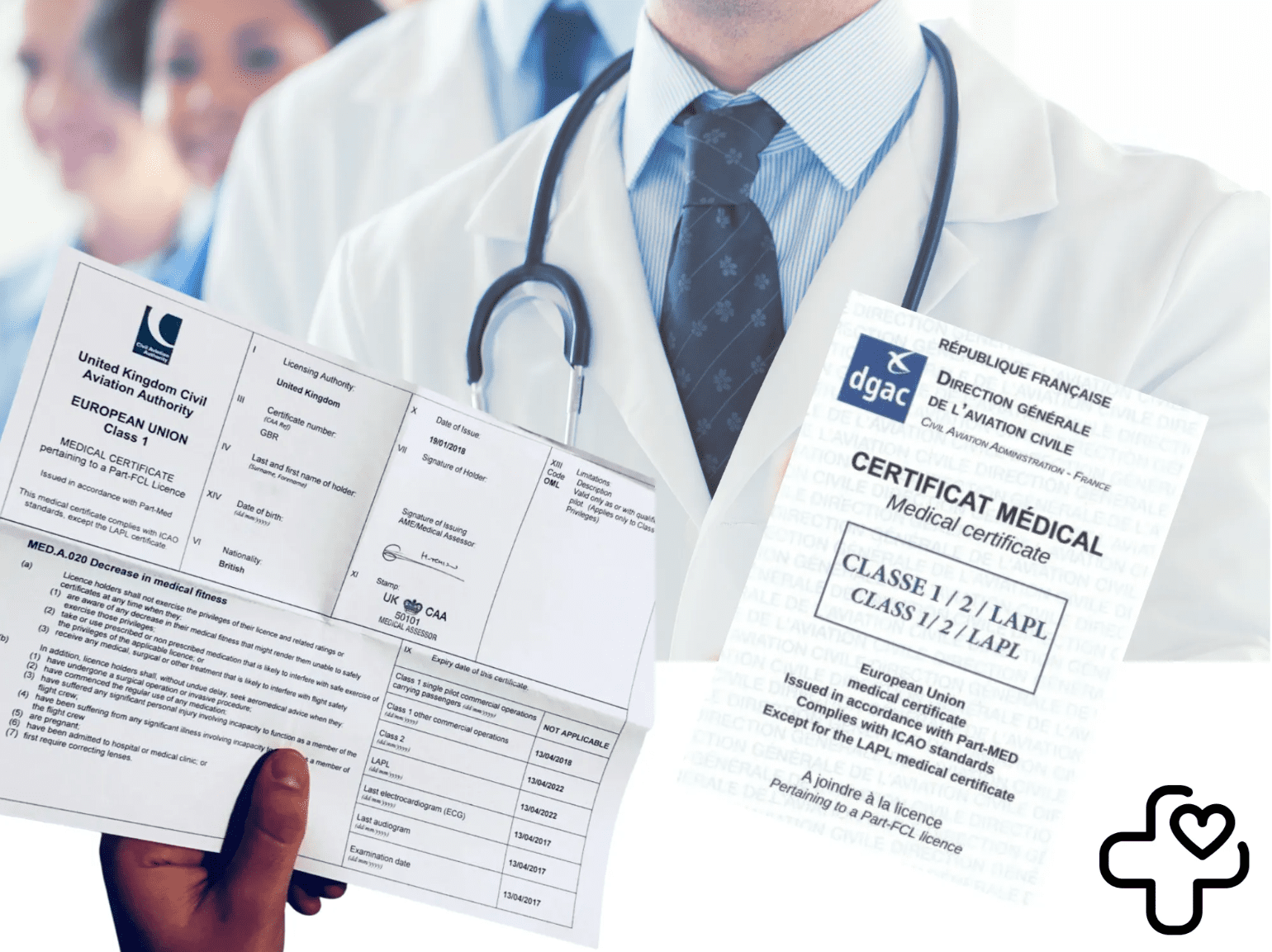
An EASA Class 1 medical is the medical certification required to exercise the privileges of a Commercial Pilot Licence (CPL) or Airline Transport Pilot Licence (ATPL).
It is conducted by an EASA-approved Aeromedical Examiner (AME) or Aeromedical Centre (AeMC) and assesses:
-
cardiovascular health
-
vision and colour perception
-
hearing
-
neurological health
-
psychological wellbeing
-
general medical history
Passing this medical is mandatory for a professional pilot career under EASA.
Why Timing Matters More Than People Realise
Many candidates begin ATPL theory or flight training assuming the medical will “sort itself out later.”
This is a high-risk assumption.
If you discover after significant investment that a Class 1 medical is not achievable, the consequences can include:
-
thousands of euros in unrecoverable training costs
-
incomplete qualifications that cannot be used professionally
-
emotional stress after years of effort
-
difficult decisions about alternative career paths
None of this is theoretical — it happens regularly.
ATPL Theory Is Not Cheap — and It Is Not Isolated
ATPL theory represents a substantial financial and time investment.
While it is “theoretical knowledge” rather than a licence, it is undertaken with the clear intent of progressing to commercial flying.
Starting ATPL theory without a confirmed Class 1 medical is equivalent to:
building a house before confirming planning permission.
Highly motivated, but financially unwise.
Common Medical Issues That Can Emerge Late
Some medical limitations only become apparent during a full Class 1 assessment, including:
-
colour vision deficiencies
-
cardiovascular findings under stress testing
-
neurological or vestibular issues
-
uncorrectable visual acuity limits
-
psychological history requiring further review
In many cases, candidates are otherwise fit and healthy, yet still unable to meet Class 1 standards.
This is why early assessment matters.
“But I’m Young and Healthy” — A Common Misconception
Age and general fitness are not guarantees of Class 1 eligibility.
EASA medical standards are binary in many areas — pass or fail — and some conditions are:
-
genetic
-
asymptomatic
-
unrelated to lifestyle
Discovering these late is avoidable.
Best Practice: What We Strongly Recommend
Before committing to any of the following:
-
EASA ATPL theory
-
flight hour building
-
integrated or modular training programmes
-
expensive upfront deposits
You should:
1. Book an Initial EASA Class 1 Medical
Preferably at a recognised Aeromedical Centre rather than a basic AME.
2. Discuss Your Medical History Openly
Transparency early is always better than surprises later.
3. Understand That “Deferred” ≠ “Approved”
Further testing or review does not guarantee eventual certification.
If You’re Unsure — There Is Still Value in Asking Early
Even if you are uncertain about pursuing aviation long-term, an early medical assessment:
-
provides clarity
-
removes uncertainty
-
informs realistic planning
-
prevents sunk-cost regret
It is one of the lowest-cost, highest-value decisions you can make at the start of training.
A Professional Reality Check (Not a Discouragement)
This advice is not designed to deter capable candidates.
It exists because aviation training is expensive, emotionally demanding, and time-intensive — and no one benefits from discovering medical limitations after years of effort.
Professional aviation rewards preparation, realism, and informed decision-making.
Final Thought
If you are serious about becoming a professional pilot under EASA:
Your Class 1 medical should come before your first major payment.
Everything else builds from that foundation.
About the Author
Diarmuid O’Riordan
Air Traffic Controller, airline pilot, and aviation educator.
Founder of ASG, an EASA Approved Training Organisation specialising in ATPL theory and modern training delivery.